Tuesday, July 28, 2020

Hemp Farm Unveils 76-Acre Art Installation, And It's Breathtaking

By Javier Hasse
Source: greenentrepreneur.com


Charlotte's Web Holdings Inc. is unveiling a 76-acre farm art installation as part of its "Trust The Earth" Campaign.


Hemp Farm Unveils 76-Acre Art Installation, And It's Breathtaking


Charlotte's Web Holdings Inc. is unveiling a 76-acre farm art installation as part of its “Trust The Earth” Campaign.

The Campaign

This is part three of Charlotte’s Web’s “Trust The Earth” advocacy campaign, a collaboration with Shepard Fairey's Studio Number One that promotes access to hemp-derived CBD for consumers in every U.S. state.

The “Trust The Earth” campaign was launched in October 2019 with the goal of opening up doors of access to the power of hemp for health. While hemp was made federally legal by the 2018 Farm Bill, each state has the ability to regulate — or ban — hemp unilaterally.

The Project

Charlotte’s Web created this piece of farm art in McPherson, Kansas. The installation features a massive rendering of a hand holding a hemp stalk and the call-to-action “Trust the Earth.”

The crop art was mowed across 3 million square feet of farmland – the equivalent of 57 football fields. The installation required one solo farmer mowing for one week using GPS to guide the process. The final field art is so large that it required a local farmer’s plane to achieve enough height to photograph the entire installation.


“This is about the market share leader bringing awareness to the forefront that we lack federal and state regulations," Charlotte's Web CEO Deanie Elsner told Benzinga. "Charlotte’s Web finds breakthrough ways to drive awareness so that consumers can learn to drive positive change.”
Learn more about this campaign on www.TrustTheEarth.com
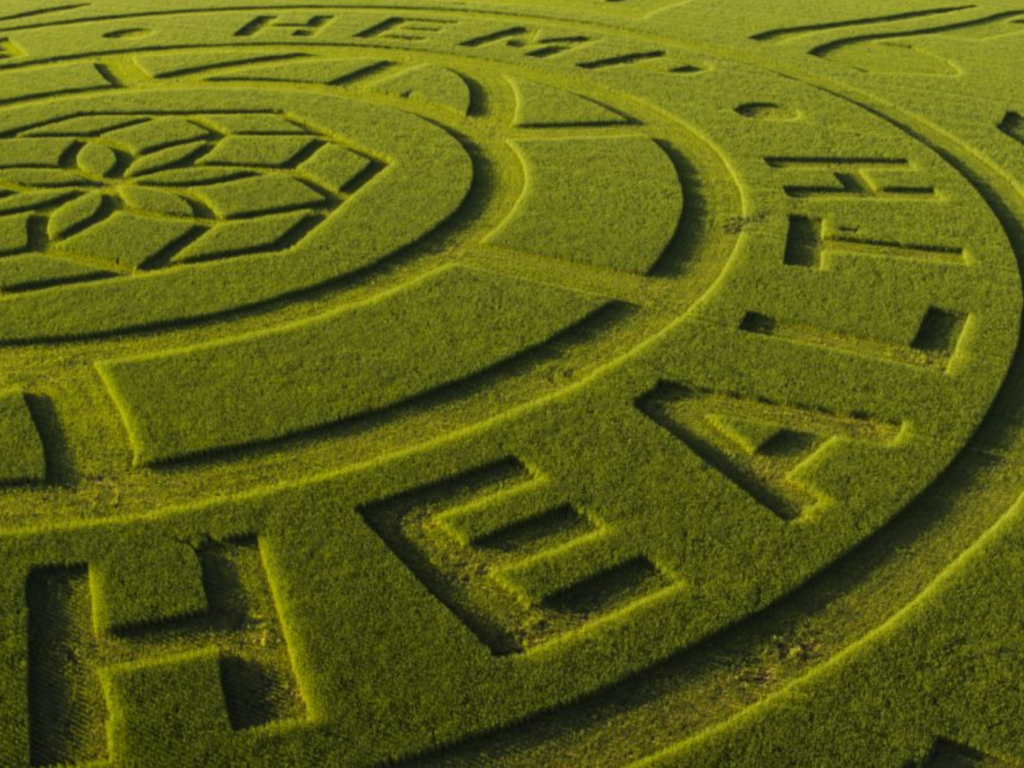
Exclusive: Charlotte's Web Unveils 76-Acre Farm Art Installation ...

The Global Industrial Hemp Market is expected to grow by $ 3.35 bn during 2020-2024

Source: prnewswire.com

Gai dầu có thể cứu thế giới hay không - Tạp chí Cần sa Việt Nam - cansa.co


Global Industrial Hemp Market 2020-2024 
The analyst has been monitoring the industrial hemp market and it is poised to grow by $ 3.35 bn during 2020-2024 progressing at a CAGR of 11% during the forecast period. Our reports on industrial hemp market provides a holistic analysis, market size and forecast, trends, growth drivers, and challenges, as well as vendor analysis covering around 25 vendors.


Read the full report: https://www.reportlinker.com/p05938947/?utm_source=PRN


The report offers an up-to-date analysis regarding the current global market scenario, latest trends and drivers, and the overall market environment. The market is driven by the high demand from textile industry.
The industrial hemp market analysis includes application segment and geographic landscapes.

The industrial hemp market is segmented as below:
By Application
• Textiles
• Hemp-based CBD
• Food and supplements
• Personal care
• Others

By Geographic Landscapes
• APAC
North America
Europe
South America
• MEA

This study identifies the high demand from cannabidiol as one of the prime reasons driving the industrial hemp market growth during the next few years.
"The analyst presents a detailed picture of the market by the way of study, synthesis, and summation of data from multiple sources by an analysis of key parameters. Our industrial hemp market covers the following areas:
• Industrial hemp market sizing
• Industrial hemp market forecast
• Industrial hemp market industry analysis"

Read the full report: https://www.reportlinker.com/p05938947/?utm_source=PRN


Monday, July 27, 2020

Research Shows Batteries Made From Hemp Are Superior to Lithium, Graphene

Source: hempingtonpost.com

See the source image

Could industrial hemp be part of the future of battery powered vehicles? Fresh research into the efficacy of hemp batteries says yes. 

There is indeed precedent for this. An iteration of Henry Ford’s original Model T was partially composed of hemp ‘bioplastic’ and powered by hemp biofuel. In 1941 Ford presented what should have been a groundbreaking invention: a car powered by and largely built by hemp. In 1941, Popular Mechanics described Ford’s work as “ a step toward materialization of Henry Ford’s belief that someday he would “grow automobiles from the soil.”

Now, with battery-powered vehicles beginning to supplant those that use combustion engines, researchers are constantly looking for sustainable and efficient ways to create battery power.
Late last year, research demonstrated that hemp batteries can be more powerful than commonly used lithium and graphene. Researcher and popular YouTuber Robert Murray Smith discusses the experiment at length in a recent video.

He began by observing a Volts by Amps curve of both the lithium and hemp batteries.  Much to his surprise, the power beneath the hemp cell 31 times greater than that of the lithium cell.

The use of hemp in batteries is not new.  In 2014, researchers in the US  discovered that unused fibers from hemp can be converted into “ultrafast” batteries that are “better than graphene.” Dr. David Mitlin of Clarkson University, New York led this experiment into hemp tech. Scientists ‘cooked’ waste bark fibers of hemp and transformed them into ‘carbon nanosheets.’

This process has since been dubbed ‘hydrothermal synthesis.’ Subsequently, the team was about to transform fibers into high volume capacitors. Such ‘supercapacitors’ have represented a paradigm shift in the way energy is stored.

“With banana peels, you can turn them into a dense block of carbon – we call it pseudo-graphite – and that’s great for sodium ion batteries,” Mitlin explained. “But if you look at hemp fibre its structure is the opposite – it makes sheets with high surface area – and that’s very conducive to supercapacitors.”

peer-reviewed paper ranks the capacitors “on par with or better than commercial graphene-based devices.”


A French company will produce fuel from hemp

Source: cannabis-mag.com


qairos-energies.com

This startup plans to produce energy from hemp biomass

A French startup says it will soon be testing the use of hemp biomass to produce energy, and plans to enter full production in 2022. Qairos Energies, based in Mareil-en-Champagne near du Mans in northwestern France, said it will produce hydrogen that will be converted into electricity for fuel cells which will supply the buses and trains. This operation will also produce methane for the exclusive natural gas distribution network in France and the leading distributor in Europe.
 
The hemp will be transformed through a gasification process in which the hemp biomass is crushed and subjected to high temperatures which will transform it into methane, hydrogen and CO2.

Qairos said it will source local hemp within a 35-kilometer radius of its production project, relying on the 150 members of Fermiers de Loué, an agricultural cooperative, to supply the biomass. A small first harvest this summer will be used for trials to finalize the industrialization and development processes, said Jean Foyer de Qairos.

Where will the hemp be produced?

The French natural gas company Qairos Energies will produce fuel from hemp. According to his Press release, this process will be non-polluting, because it will crush the hemp and heat it to a very high temperature.
 
Mr. Foyer, an automotive engineer by training, has declared that the goal for next year is to get local farmers to plant 350 hectares to start operations in 2022. Ultimately Qairos will need 1000 hectares of hemp to be fully operational. The energy will be used locally to keep the high costs of transporting hydrogen down, Foyer said.
 
The idea of ​​the operation of energy production was born when Foyer started talking to Magalie Rhodé, a local farmer and chicken breeder who is also a small hemp producer.
 
Rhodé, the first farmer to sign a contract to supply Qairos, said she intended to increase her hemp fields from a few hectares now to 30 hectares in the next five years.

The French professional hemp union (SPC) included energy among the sectors it recommends for development in a recently released manifesto, in which it expressed concern that the French hemp sector, Europe's largest, could fall behind. compared to those of other European countries.
 
Through this process, the heat will turn the hemp into gas and from there it will extract methane, hydrogen and carbon dioxide.

The company that will produce fuel from the hemp expects that each gas extracted will be resold and used for different purposes. For example, synthetic methane will be injected into the gas network, while hydrogen will be converted into fuel for vehicle batteries. As for CO2, it will be sold to the food industry.

This project is supported by the Pays de la Loire region, BPI France and the Center Métropolitain du Mans Sarthe.

It is without doubt a very versatile plant that can be used to generate sustainable energy; in fact, it could also be used in our kitchens or for clothes, or even very soon there will be boats built with hemp.
 
The use of this plant is done with a minimum of waste, because luckily it is used from the stem to the flower.

Hemp Industry in Minnesota OK’d by USDA/MDA

By QuickCountry 96.5
Source: newsbreak.com

Hemp Industry in Minnesota OK’d by USDA/MDA

With the approval from the Minnesota Department of Agriculture and the United States Department of Agriculture, Hemp farming in the State is expanding.

According to the MDA, the Industrial Hemp Pilot Program studies the growth, cultivation and marketing of hemp. The program allows for the state to better learn about hemp. The pilot program began in 2016 with six growers and now, there are currently 511 Minnesotans growing or processing hemp in the state.

The program was made possible in 2014 in part of a federal farm bill that allowed for pilot programs to better understand hemp. This marked the first time that the plant could be legally grown in the United States in decades.


Thursday, July 16, 2020

CBD For Coronavirus? New Study Adds Evidence For Cannabis As Covid-19 Treatment

By Emily Earlenbaugh
Source: forbes.com

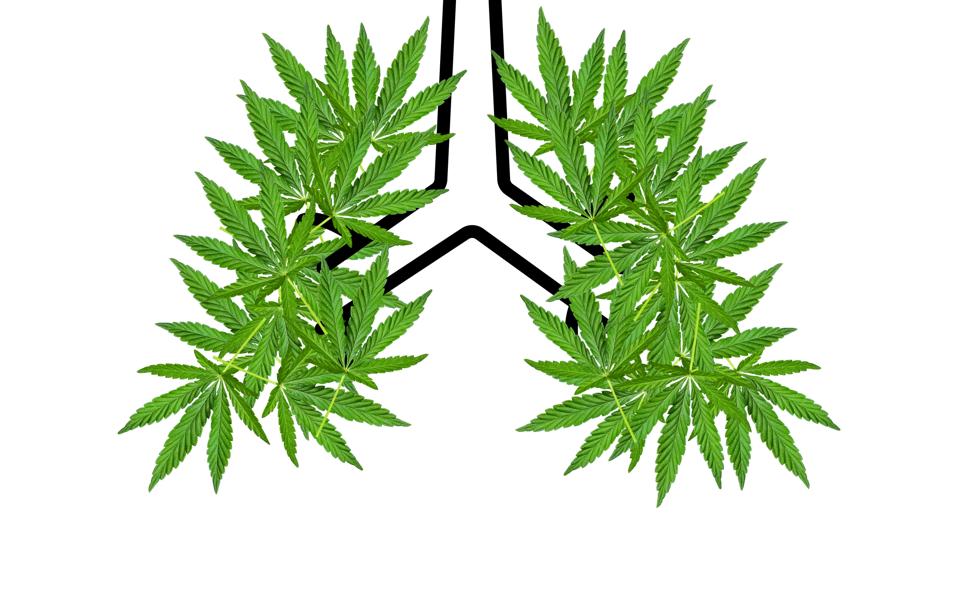
CBD from cannabis could become the next COVID-19 treatment - according to new study.
CBD from cannabis could become the next COVID-19 treatment - according to new study. GETTY

As we continue to see outbreaks of the novel coronavirus surging, many are waiting and hoping for treatments to be developed that might treat, cure or prevent the potentially deadly disease. In a surprising turn of events, cannabis is on the list of potential treatments. 
While researchers are exploring many different possibilities in combating COVID-19, some researchers are looking into whether cannabis or cannabis derived CBD might offer benefits for those suffering from severe forms of this infection. Interestingly, there have been several different ways researchers have suggested CBD might help, including its ability to reduce ACE2 expression and pro-inflammatory cytokine production to fight lung inflammation, and it’s potential as an antiviral. But few studies have tested these theories with actual experimentation.  
Now new evidence is adding support to the theory that cannabis derived CBD may help those suffering from the severe lung inflammation that occurs in more serious cases of COVID-19. The study from researchers at Augusta University in Georgia suggests  that CBD may positively impact ARDS or acute respiratory distress syndrome - a dangerous symptom in COVID-19 caused by an overactive inflammatory response. This is sometimes referred to as a ‘cytokine storm’. The authors of the study explain that “currently, other than supportive measures, there is no definitive cure for ARDS, illustrating the urgent need for creative and effective therapeutic modalities to treat this complex condition.”
But CBD may be able to help treat this dangerous symptom of COVID-19. The researchers suggest CBD may be able to help by reducing pro-inflammatory cytokine production, fighting off the storm. By reducing specific cytokines such as interleukin (IL)-6, IL-1b, and IL-17, we may be able to bring down the inflammation and thus end the respiratory distress and damage. And the results of these researchers' experiments supported this theory. 
The research itself was performed on mice, who were first given a treatment called Poly(I:C) to artificially induce ARDS, with symptoms similar to what we see in severe COVID-19 patients. This created a cytokine storm, reduced the blood oxygen saturation by 10%, and even produced structural damages to the lungs in mice subjects. Then after the mice were experiencing the cytokine storm and coinciding respiratory distress, they were given CBD. And the results showed just how powerful CBD can be when treating ARDS. “These symptoms were totally or partially reversed and returned to the level and condition of the normal after treatment with CBD” the authors report. 
In particular, mice treated with CBD saw reduced expression of IL-6, an important marker for cytokine storms, and lowered the levels of other proinflammatory cytokines. While the Poly:(I:C) spiked inflammatory markers, “CBD treatment reversed all these inflammatory indices and partially re-established homeostasis” the authors explain. Mice treated with CBD also had increases in lymphocyte levels in their blood, which are important white blood cells for fighting off infections. 
Researchers on the study say that CBD could play an immunotherapeutic role in treating severe respiratory viral infections like COVID-19, based on the present findings. 
“The current data support the notion that the anti-inflammatory function of CBD may reduce cytokine storm and mitigate the effects of exaggerated inflammation” they explain. They add that “considering all potential regulatory effects of CBD as well as the vast distribution of endocannabinoid system in the body, it is plausible that CBD may be used as a therapeutic candidate in the treatment of various inflammatory conditions including COVID-19 and other virus-induced ARDS.”
Of course, this is an early study, and more research needs to be done - particularly more research that tests this theory on actual human subjects with COVID-19 related ARDS. The authors point out that “obviously, more studies are required to expand and validate this therapeutic strategy.” 
While we may have to wait for more research before this is being used as an active treatment for COVID-19, this study gives us good reason to hope that CBD might eventually be harnessed to help fight ARDS. It also adds to the chorus of researchers and cannabis advocates suggesting that we look further into cannabis and its potential to fight this deadly disease.


Wednesday, July 15, 2020

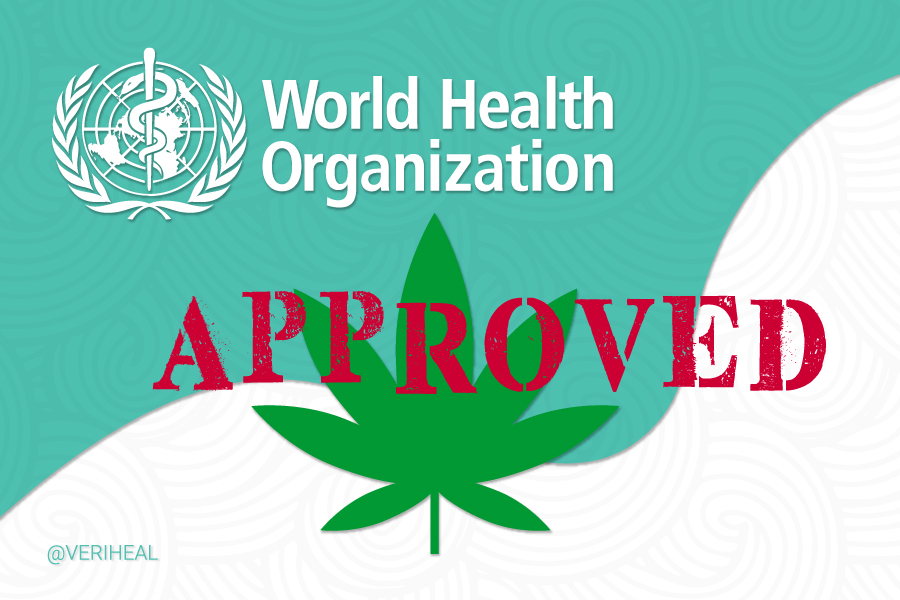
Will The WHO’s New Cannabis Recommendations Loosen International Control?

By Natasha Winkler
Source: medicalcannabisbrief.com

Will The WHO’s New Cannabis Recommendations Loosen International Control?
As cannabis reform continues to go global, we are seeing more organizations and reputable statements come out. Now with more than 7000 people working in 150 country offices, the World Health Organization’s (WHO) primary role is to direct and coordinate international health within the United Nations system. They support countries as they coordinate the efforts of governments and partners.
Over the years the WHO has released several statements regarding the use of cannabis. The oldest available scientific report on the WHO website regarding cannabis is from 1971 and even 50 years ago and even then the organization gave clear recommendations of follow up research studies on uses, consumption methods, and effects on human behavior.

WHO Reviews and Changes Cannabis Recommendations

As a follow up to a scientific expert meeting held in 2015 that resulted in the WHO publication, “The health and social effects of nonmedical cannabis use” – WHO hosted a review of the latest available information in the public health of cannabis use and cannabis use disorders in December of 2019
This meeting was organized by the Department of Mental Health and Substance Use in collaboration with other relevant WHO programs. Their intention was updating and revising the above-mentioned publication to reflect the recent developments and accumulated evidence on appropriate public health responses to health risks associated with cannabis use. At the 2019 meeting, experts made a handful of recommendations regarding the scheduling of cannabis (and its resins, preparations, derivatives, etc) in global drug control treaties.

This Would Be The First Reschedule of Cannabis Since 1961

WHO recommendations are often celebrated as a positive step toward the easing of the international control of cannabis. Member states of the United Nations Commission on Narcotic Drugs (CND) received the cannabis recommendations in January 2020 and an expected vote to adopt the changes is scheduled for December 2020.
If adopted, this would be the first rescheduling of cannabis since the drafting of the 1961 Single Convention on Narcotics Drugs, a global drug control treaty, so it’s unsurprising that some governments are asking for more time before casting a vote that could catalyze the global cannabis industry. 
Other organizations and governmental departments are now beginning to chime in on how, if at all, these recommendations (if adopted) would affect the international control on cannabis both medically and recreationally.
Particularly one recommendation is a big symbolic win because it would implicitly acknowledge the medical value of cannabis at the highest international level. Regarding practical implications in the level of international control, the Vienna-based International Narcotics Control Board (INCB) document found that, if adopted:
  • Two recommendations would imply no meaningful change.
  • Two others would mean more control for pure THC.
  • The other two would imply less control – for certain pharmaceutical preparations containing THC and for some CBD products. But the INCB also said clearer definitions are needed.

Recommendations Are Just That

The 2015 recommendations report specifically states, “…[The expert panel] hope[s] that Member States, institutions, and organizations will be able to make use of this report when prioritizing areas for future international research on the health and social consequences of nonmedical cannabis use.”
While the changes that are being proposed are a sign of progress, they will not have a direct effect on international controls of cannabis. They will however serve as yet another win for the cannabis plant.