Tuesday, October 23, 2018

The Age Of Hemp: Global Advanced Industrial Applications

By Giadha Aguirre De Carcer
Source: forbes.com


Getty

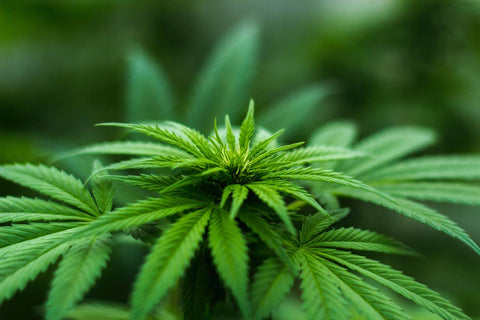
Hemp, the non-psychoactive variety of the cannabis sativa plant, is already being integrated into several mature markets such as food, textiles, construction, personal care and nutraceuticals. This relatively quiet cannabis relative is emerging as a potential commodity ripe to not only impact, but possibly revolutionize, tech-driven markets and economies around the world.
In 2014, I founded New Frontier Data, an analytics and business intelligence reporting group dedicated to the global cannabis industry, after more than 20 years in finance, industry analytics, intelligence reporting and emerging markets. As such, I have had the privilege of following hemp’s emergence and evolution. Half a decade later, this robust, environmentally friendly, low -cost-to-produce plant has become one of the most diversely applied and globally significant natural resources in the world. Here is a look at its applications across several mature industries:
Automotive
In 2013, BMW announced its newest electric car, the i3. Using low-weight hemp in its interior, the i3 weighs 800 pounds less than its market competitors. The Kestrel, created by Canadian Motive Industries, uses polymer resin-infused hemp stalks to replace fiberglass in the body of the vehicle. From this replacement, consumers can expect a dramatic reduction in weight, improved efficiency and the appeal of an ecologically sustainable vehicle.
Supercapacitors
The challenge to find lighter and longer-lasting energy storage devices (e.g., batteries) can be found in almost every sector. Hemp could prove to revolutionize battery life by aiding in the development of faster, smaller and cheaper supercapacitors. A supercapacitor is an energy storage device that can discharge powerful infusions of energy, needed only in small bursts. Such powerful discharges are used in braking systems of electric vehicles, the powering on of computers and new technologies such as rapid phone charging or cordless tools.
The current top-performing supercapacitors use graphene. However, in 2004, Dr. David Mitlin of Clarkson University and researchers at the National Institute for Nanotechnology (NINT), discovered that hemp-based supercapacitors outperformed graphene supercapacitors in energy storage by nearly 200%.
The downsides of graphene are its dwindling sources and costly process to mine and import from rural areas in China and India. Hemp, however, can be grown in almost any terrain or country, and produces hemp bast, the key material used to replace graphene, as a waste byproduct of hemp processing. According to Mitlin’s research, hemp processing is 1,000 times cheaper than graphene processing.
Soil Regeneration
Hemp has the ability to mitigate the toxin transfer from contaminated soil into food products. This process uses phytoremediation, an organic process where toxins are absorbed by plant roots and then stored in the cellulose for disposal. Hemp phytoremediation became more well-known after the Chernobyl disaster for its use in helping grow crops that are safe for consumption.
Challenges
Hemp’s greatest obstacle is its association with psychoactive cannabis, despite the important distinction that hemp contains only nominal amounts (no more than 0.3%) of the psychoactive ingredient, tetrahydrocannabinol (THC). Although the U.S. is the largest importer of hemp products according to the Hemp Business Journal (a New Frontier Data subsidiary), hemp itself has struggled to gain social acceptance in the country and elsewhere. For instance, current U.S. legislation only permits universities and states performing agricultural or academic research to cultivate hemp. However, the 2018 Farm Bill currently in Congress would grant hemp full legalization across the nation. Passage of this bill would be a key step in promoting public acceptance in the U.S. and elsewhere, allowing the country to participate in the rapidly growing global hemp market.
Africa And China: The Rise Of Global Hemp Markets
Hemp is legally cultivated in countries around the world, and China is leading the way. As detailed in a High Times article, China produces approximately 44,000 tons annually, almost 40% of the world’s total. According to that same article, Chile is South America’s largest producer, and France is Europe’s most proliferate producer.
China is also positioning itself to become the world’s leading semiconductor and microchip producer. Under an initiative called Made in China 2025, the country announced its intention to dominate technologies such as industrial robots and software, electromobility and more.
The way I see it, the marriage of China’s position as the world’s supplier of hemp -- and its burgeoning semiconductor industry -- could be the key to China’s hegemony over the microchip industry. Semiconductors are traditionally made using silicon. Graphene semiconductors, however, could one day lead to computers that are a thousand times faster, consume significantly less power and are smaller than silicon semiconductors used in computer transistors. In application, graphene’s dwindling supply and costly manufacturing issues would still exist. Putting this all together, Mitlin’s research has sparked interest in the potential for hemp to create the next-generation semiconductor.
Approximately 65% of sub-Saharan Africa’s agricultural land is degraded, according to data collected in 2015, resulting in food insecurity and a declining economy in a region where the agricultural industry employs more than half of the total labor force. Hemp’s soil nutrient replenishing properties could be the key to reviving crop production, providing a novel food source (hemp seeds) and boosting the agro-based economies of South Africa and other hemp-cultivating sub-Saharan countries.
The U.S. hemp-derived CBD market alone is projected to reach $450 million by 2020, and China's cannabis market could grow to 100 billion yuan by 2022 (approximately $14.5 billion). Hemp is already interwoven into the futures of the automotive, construction, energy, environmental mediation and technology industries. Once fully utilized and legal, this plant could impact the global economic positionings of North America, China and Africa.

Researchers unlocking the mysteries of pot in Colorado, Michigan

By Mary Beth Spalding
Source: southbendtribune.com

Colorado University
Biology senior Sara Colby conducts cannabis research at Colorado State University- Pueblo Aug. 14 in Pueblo, Colo. Tribune Photo/MICHAEL CATERINA

PUEBLO, Colo. — The caterpillars are talking, and researchers at Colorado State University in Pueblo are listening as they explore the mysteries of cannabis.
Questions are plentiful. Federal law hasn’t allowed much scientific research into this ancient plant, once widely shunned in the U.S. and now increasingly accepted.
Just what, exactly, makes cannabis tick? Its genetic code isn’t fully understood. A well-known, non-psychoactive chemical compound in cannabis called CBD has been shown to help relieve some seizures — there’s a federally approved CBD drug now — but what else can CBD or other cannabis compounds do?
Video: Researching cannabis at Colorado State University in Pueblo
It’s a question university researchers across the country have been tackling, including in Michigan. At the University of Michigan, medical marijuana has been studied for chronic pain management. Michigan State University studies are exploring how cannabis compounds might help protect the brain against inflammation caused by disorders like Parkinson’s and Alzheimer’s.
If Michigan voters in November approve Proposal I to legalize adult-use cannabis, at least $40 million more could go into research. Proposal I earmarks state marijuana tax money for clinical trials to study the use of marijuana in treating medical conditions of military veterans and preventing veteran suicide.
In Pueblo, experiments with caterpillars are pointing to potential new uses of the CBD compound.
Could CBD act as a natural pesticide? Or could it be used to treat an alcohol hangover?
In one experiment, caterpillars ate up cannabis leaves that contained a little CBD but rejected leaves with high levels of the substance. Another experiment showed that the deadly effects of alcohol on caterpillars appeared to be mitigated by CBD.
“Somehow CBD rescued the insect from alcohol toxicity,” Sang Hyuck Park, senior research scientist at the Institute of Cannabis Research at CSU Pueblo, said.
He muses about where that information ultimately could lead — perhaps treating or preventing a hangover? But much more research would have to be done, maybe next in mice, then maybe in humans.
“Our ultimate goal of this research is for the human application,” he said.
Park is thinking about many possible health benefits from CBD, which he says is already known for anti-inflammatory, pain relief and other properties, as well as for seizure relief. In June, the Food and Drug Administration approved the first cannabis-derived drug to treat some seizures caused by epilepsy, a CBD oral solution called Epidiolex. Park also is conducting research that looks at how CBD might affect metabolism, which could have implications for managing diabetes.
Park’s work is among a dozen or so projects underway at the Institute of Cannabis Research, which was founded in 2016 at this Colorado State University extension campus in Pueblo, about two hours south of Denver.
Institute director and chemistry department chair Chad Kinney said cannabis research is needed as more states legalize marijuana but the scientific evidence of its health or other effects remains scant.
It’s been difficult to study the plant in the U.S. because of its federal classification as a Schedule I drug, meaning it’s considered highly addictive and of no known medical value. Schedule I includes other drugs like heroin and Ecstasy.
But the 2014 Farm Bill opened the door for more research on industrial hemp, the non-psychoactive type of cannabis, Kinney said.
No federal money has come through for research, according to Kinney, but the state of Colorado provides the institute’s annual budget of $1.8 million.
Pueblo County gave the institute $270,000 in 2016 marijuana tax money to study the effects of legal cannabis on the community. The study, published at the end of 2017, looked at education, jobs, law enforcement, and economic impact, among other things. Researchers estimated a net positive impact on the county of more than $35 million from retail marijuana, but in general noted difficulty in determining impacts because of a lack of long-term data. Colorado legalized adult-use cannabis in 2012, and retail sales started in 2014.
The cannabis institute, meanwhile, is delving into an array of other research projects, including the labeling of marijuana edibles (where there seems to be widespread confusion), using hemp fibers in 3-D printing, and growing hemp to clean contaminants from the soil.
Another significant piece of research is mapping the DNA sequence, or genome, for cannabis.
“I would say this is one of the most important things because of all the repercussions and all of the future endeavors that are available once you have a reference genome,” botanist and researcher Brian Vanden Heuvel said.
Park said knowing the DNA sequence could, for example, lead to genetic modifications that boost certain traits, such as stronger hemp fiber or levels of chemical compounds like CBD or THC (the psychoactive substance found in marijuana). Genetic tweaks could make the male cannabis plant — which is generally weeded out after pollination — produce something growers desire, he said.
All those possibilities are stored inside the genome, if researchers can unlock it.
“Having that blueprint,” Vanden Heuvel said, “can be very important in changing how we view cannabis and what we can do with cannabis.”
 

Latvian police apologize to woman for ruining her hemp garden

Source: xinhuanet.com


Dzidra Bruzgule
RIGA, Oct. 22 (Xinhua) -- Officials of the Latvian state police have apologized to an elderly woman, a resident of the eastern Latvian district of Vilani, for ruining her hemp garden in overzealous efforts to crack down on illegal cannabis growers, local media reported on Monday.
Anti-narcotics officers had seized 363 hemp plants from the woman's garden in order to test them for possible narcotic substances, as they had taken the plants for the variety of cannabis from which marijuana is produced.
The law enforcement officials explained that the awkward situation occurred because in most other cases like this laboratory tests had confirmed the presence of narcotics in the confiscated plants.
The state police also promised to compensate the woman for the destroyed hemp plants.
"Apparently, we have to revise our standard procedures and seek effective solutions that would allow police officers to do their job without the risk of causing material damage to persons that grow hemp for personal use," said Ints Kuzis, chief of the Latvian state police.
The hemp that is grown in Latvia's countryside is a variety of the Cannabis sativa plant species. It is mostly used to make a tasty hemp butter and does not contain any narcotic substances.

How Cannabis is Already Replacing Opioids for Pain Management

By Luykas Barfield
Source: cannabisfn.com


It has long been known medical cannabis helps with pain management. From acute sharp short term pain, to chronic, deeper more long lasting pain, multiple studies have shown cannabis can replace opioids for pain management and help suffering patients live more normal lives.
However, as we know, when it comes to cannabis in the United States, it’s never as straight forward as just going to the doctor and picking up a prescription.
Well, that is slowly changing.
As cannabis becomes more main stream in the US, medical cannabis is replacing opioids for pain management. There are thirty states with medical cannabis programs, more than a handful of states with high CBD cannabis laws and eight states with adult use cannabis, opening Cannabinoid medication access to a record number of Americans.
Nowhere else is cannabis replacing opioids for pain management faster than in Florida.
After passing a full plant medical cannabis law in 2016, Florida pain patients have started choosing cannabis over more addictive deadly opiate medications, says Kim Rivers CEO of Trulieve, Florida’s largest medical cannabis provider. True Leaf operates seventeen dispensaries across the state of Florida, and serves 80,000 registered patients. No one else has their finger on the pulse of Florida medical cannabis more than Kim Rivers.
She tells CNBC in a recent interview, “There have been a number of recent studies that have come out that have shown that in states where medical cannabis programs are robust, the number of opiate prescriptions reduces dramatically. We also know from firsthand true stories, which we have on our website every Tuesday, that a number of our patients are transitioning from opioids to medical cannabis very effectively, and it’s a much safer and effective alternative.”
Kim Rivers goes on to say Trulieve will lobby the Florida legislature to make medical cannabis an easier choice for patients with pain management issues.
The study Kim Rivers speaks of is research published by Jama Internal Medicine, which looked at data from Medicare.
The researchers noticed a fourteen percent reduction in opioid prescriptions in states with easy access to medical cannabis. This, they estimate, adds up to about 3.7 million less doses of opiates a day.
That is a lot of pills!
Another study looked at data from Medicaid and found similar results. Other studies have shown encouraging results with a twenty-five percent decrease in opiate overdoses in states with easy access to medical cannabis.
In addition, baby boomers and seniors are using medical cannabis as replacements for opioids for pain management in record numbers. Seniors and boomers are learning that conditions like osteo-arthritis and other painful geriatric diseases are no match for Cannabinoid medicines, despite the higher cost.
Cannabinoids are the unique compounds found in the cannabis plant. The two most common Cannabinoids cannabidiol (CBD) and Tetrahydrocannabinol (THC) have been shown in multiple studies to be powerful pain relieving compounds. The two compounds work much in the same way by dampening pain receptors throughout the body and reducing inflammation. By attaching to CB1 and CB2 receptors, Cannabinoids can treat pain in different parts of the body.
These receptors make up the endocannabinoid system. The endocannabinoid system is a group of cells that help bring balance to the body. Both compounds were discovered in the 1960’s in Israel, but research into their therapeutic properties has been sparse in the US due to cannabis’ classification as a Schedule One Narcotic, a drug with no known medical use.
For decades patients suffering from pain who wanted to use cannabis had to risk arrest for cannabis possession, or settle for more addictive opioid medications. Now with laws loosening, more and more people are finding medical cannabis can replace opioids for pain management.


Demystifying CBD Oil

By
Source: fortheageless.com


Demystifying CBD Oil
Image source: cdn.shopify.com

If you’ve ever considered using CBD Oil as an aid to good health, but have been too frightened to, because of negative things you’ve heard, then you simply have to read this article. 

There are all sorts of misinformation going around about Cannabis Sativa and all the products that are produced from it, which is why we just had to put this article together.

In it, we’ve put some of the ‘fake news’ to rest, so we can help spread the word about what so many people are missing out on by avoiding using it to promote health.

Demystifying CBD Oil Cannanis Sativa
By reading through, you’ll find out things like:
  • Why CBD Oil is safe, legal and available in the United Kingdom
  • How cannabis-derived products have been used by humans for centuries
  • What the body’s endocannabinoid system is and how important it is to good health
  • How CBD Oil is made
  • How you too can be enjoying the benefits of CBD oil
We’ll be demystifying, deconstructing and debunking all those urban myths and apocryphal tales about what cannabinoids are and what they do in the body. Read to the end and you might soon realise that there are more than one or two things that you think you know but aren’t actually true.

So, without further ado, let’s get demystifying! 

CBD Oil Myths

CBD oil mythsMention to anyone that you’re using CBD Oil (aka Cannabidiol) and you’re likely to come up against what can only be described as a knee-jerk reaction, because of the fact that is created from the cannabis plant, which at the point of writing, is still an illegal Class B drug in the UK. Unfortunately, this is still a common reaction, which is born out of the lack of awareness of what CBD Oil is and what it’s used for.

The first and most important thing to explain is that CBD Oil does not contain the psychoactive compound Tetrahydrocannabinol (THC), so however much you use, you’re not going to get ‘high’ - it just won’t happen. So, in order to understand exactly what Cannabidiol DOES do to the human body, we now examine the subject in greater detail. 

Cannabidiol has Become Increasingly Popular

Whilst we are obligated under UK law as supplement suppliers not to make any bold claims about the medical benefits of CBD Oil, we can say that it can be used to support and promote a healthy lifestyle, which is something done by many people all across the world every day. In fact, its use as an aid to wellbeing is gathering pace in the United Kingdom right now, as more and more people are discovering its benefits.

So, what exactly is driving so many people to start including oil created from CBD (Cannabinoid) in their diet? Rather than being an article telling you why using CBD oil is a good idea, we have created this blog to help you understand what this natural supplement does when ingested into the body and how it is able to promote good health. 

The Long History of CBD

“Cannabis cultivation dates back to the days of early man, for use in textiles, medicines and cooking”

History of hemp CBDThe use of CBD derived products stretches back millennia, with modern archaeology suggesting that Cannabis Sativa was something cultivated by early man. Despite many thinking of the use of the plant for any purpose as a relatively modern paradigm, its use is far, far older than that. In fact, according to National Geographic Magazine, its use stretches back thousands of years for a variety of medicinal and nutritional uses.
(National Geographic, 2015)

The reason for this is the versatility of the cannabis plant, as its constituent parts have been used not only for food and in the promotion of health, but in the production of hemp textiles and clothes and there are examples of its use all across the globe. Vikings are said to have used hemp seeds and hemp ropes in the 10th century, whilst Arabia is said to have seen techniques to use hemp in the creation of early forms of paper. Even Italians were using hemp ropes for ship rigging.

It’s fair to say that cannabis and hemp have proven extremely useful over the years. 

From the 1940s to the 1960s


Moving forwards, closer to the present day, scientists at the University of Illinois in the US began examining the structure of the cannabis plant and found that despite previously being believed to be highly toxic (from the viewpoint of modern medicine), what was uncovered were a series of positive characteristics. However, their findings failed to instigate any mainstream interest and the research laid untouched for another 2 decades. 

The 1970s

CBD began to be investigated again, in search of therapeutic uses in the 70s, which saw scientists from South America announcing that they had achieved a reduction in the effects of epilepsy in animals. Similar studies were conducted on human subjects, but the results were inconclusive.

This decade also saw the beginning of cannabis derivatives being administered in mainstream medicine, to reduce the symptoms of vomiting and nausea after sessions of the harsh anti-cancer treatment that is chemotherapy. 

The 1980s and 1990s

CBD hemp cannabis researchNon-mainstream scientific research continued over the next 20 years, which saw CBD, rather than cannabis being trialled on human subjects. These clinical tests began to display the therapeutic benefits of including cannabinoids into the body, but again, it was something that was flatly ignored by mainstream science.

To this date, there is no officially recognised research to back up any of the claims made by any of the pioneering scientists that have looked into how the endocannabinoid system can be supported by CBD in the pursuit of improved health.

“CBD Oil won’t induce a high like THC would, as it doesn’t stimulate the cannabinoid receptors in the same way”.
 

The Endocannabinoid System

In the human body, we have what’s known as an ‘endocannabinoid system’, which is a network of receptors that are located in the brain, down the spinal column and at various points around the body. Their job is to regulate vital functions that include appetite, memory, mood, sleep patterns and pain response. 

The reason CBD oil doesn’t induce a high that you would get if you ingested THC, is that it doesn’t stimulate the cannabinoid receptors, which can result in a change of mood, how well your memory works, how you feel pain and how you feel hunger. 

CB1 and CB2 Receptors

The Endocannabinoid SystemThere are two types of cannabinoid receptors in the human body’s endocannabinoid system, which are grouped together as either CB1 or CB2 receptors.

CB1 Receptors are mainly found in the brain’s nerve cells and in the spinal cord, but can also be located in the gut, the urinary tract, white blood cells, the endocrine gland and in secondary organs like the spleen.

CB2 Receptors carry out a variety of functions relating to the body’s immune system, including the replacement of old, dead cells (apoptosis) that occurs every day in each one of us and for dealing with foreign bodies and illnesses. 

What is Exactly is an Endocannabinoid?

According to the The National Center for Biotechnology Information in the United States, endocannabinoids are fatty oils that exist in minuscule amounts in the human body and which communicate with and react to the receptors mentioned above. These membranes are what allow electrical signals to be sent in between the individual cells and they play an important role in the wellbeing of a variety of body systems.
(Ncbi, 2009)

These enzymes are something that the body creates on its own, naturally, which it does when sending messages around the body relating to pain, memory, mood, appetite and functions relating to infection and inflammation. 

Common Denominator

The endocannabinoid system is not something that is exclusive to human beings either, as we share this characteristic with all known vertebrate life forms. Every animal with a spine has one, something that is needed to be able to effectively react to environmental changes - a clear problem for earth’s wildlife right now - and it is believed that the first examples of the endocannabinoid system date back hundreds of millions of years.

“Phytocannabinoids derived from the Cannabis Sativa plant are almost identical to the Endocannabinoids that are produced naturally in the body” 

Cannabidiol

Cannabidiol EchinaceaCBD, itself an abbreviation of the term Cannabidiol, is what’s known as a phytocannabinoid, which is a material that can be gleaned from the cannabis plant and is also known to communicate with the cannabinoid receptors. The majority of phytocannabinoids are derived from the cannabis plant, although there are others that exist, namely echinacea which contains a substance with similar cannabinoid qualities.

So, what this establishes, is that phytocannabinoids can have a similar effect on the body to endocannabinoids and whilst there is still no official confirmation of the latter being interchangeable with the former, the argument for it certainly has its merits. (Ncbi, 2009)

One big difference between the varieties of cannabinoids that exist is the disparity in quantities involved when they are produced naturally in the body and when they’re introduced from an external source. When endocannabinoids are produced naturally in the body, they appear in extremely small quantities. However, phytocannabinoids that exist in CBD products are relatively abundant and packed with active enzymes to support good body function. 

Theoretical Phytocannabinoid Scenario

Theoretical Phytocannabinoid Scenario herbsSo, in this theoretical scenario where phytocannabinoids are able to be used as a direct replacement for something that occurs naturally in the body, and that something is designed to enhance wellness and health, it is a fairly logical step to argue that it could also be a process that is supported by the regular consumption of a naturally created supplement.

Herbal remedies from around the world are becoming increasingly popular as a daily supplement to the western diet and in the modern day, when we’re as medicated as a species as we’ve ever been, the promotion of health in a ‘non-pharmaceutical’ way has got to be a good thing. 

Dr Raphael Mechoulam, CBD’s Grandfather

Prior to 1988, the endocannabinoid system wasn’t even known to science, until it was discovered by a scientist from Israel by the name of Raphael Mechoulam and it was evident then that it fulfilled an important role in the body.

Some 30 years later, the science relating to the use of phytocannabinoids has not moved much and medical Doctors are still not trained in any aspect of the endocannabinoid system. That’s not to say that there aren’t those within the medical community that aren’t behind the science and what it offers. 

Dr David Allen

“The most important discovery in medicine since the invention of the sterile surgery technique”
Demystifying CBD Oil cannabisOne such mainstream academic is preeminent Professor of Pediatrics at the University of Wisconsin School of Medicine & Public Health and respected heart surgeon, Dr David Allen. He believes in the value of further research into the use of cannabinoids to promote health. He also feels that there is a general lack of acceptance of the concept within the medical community, with many refusing to acknowledge the validity of pursuing the science or committing resources in doing so. (David B Allen M.D, 2018)


According to Dr Allen, wilfully ignoring a new unexplored science is “absurd” and he is calling for the introduction of the science of the endocannabinoid system into medical schools across the civilised world to explore the science of cannabinoid receptors fully.

The fact that cannabinoids have received so little attention from mainstream medicine is put into even more focus when you consider that more than 20,000 research papers and articles have been published on the subject. Even so, we still have much to learn about cannabinoids and how they react with the receptors in the body - all information that could be used to help us all live healthier and more balanced lives.

Will modern science ever relent and include endocannabinoid research in its mainstream activity? Only time will tell.

“CBD Oil is much more able to support health and good body function than other hemp-based products, because of the way it interacts with the body’s endocannabinoid system” 

How is CBD Oil Made?

Our natural CBD Oil is created from the highest quality hemp source, which is carefully selected to be particularly potent in the active ingredients. These entire plants are then cultivated using the most gentle and unprocessed methods possible and quality product is achieved by using the whole plant rather than from ‘isolates’, ensuring that a greater amount of the important phytocannabinoids are retained.

Naturally derived and naturally produced, we believe that the way our CBD Oil is produced makes it the best choice on the market. Check out a more in-depth article on how CBD oil is made.

CBD Oil vs THC Oil vs Hemp Oil

Part of the reason for the confusion surrounding what CBD oil is, is the fact there are a number of different oils created from Cannabis Sativa. Whilst the different forms of oil do indeed come from the same plant species, the mechanisms used are very different.
So, we’ve touched on what CBD Oil is. What others are there?
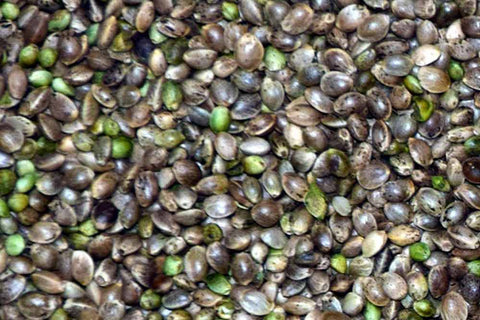
CBD THC hemp seedsHemp Oil is derived from cannabis seeds but is only typically created using industrial hemp. The main difference is the lack of cannabinoids that it contains, meaning that it only has a nutritional value, rather than being able to assist in the promotion of good health. There is a trace element of THC in hemp oil, but nowhere near enough to induce any psychoactive effects.

On the nutritional side of things, hemp oil is rich in omega oils and abundant with saturated fats, which is what makes it so useful in cooking. Also, hemp oil can be used topically in moisturising creams and lotions.

THC Oil is another thing entirely from its non-psychoactive cousins, as it can be used to induce the kind of high people associate with cannabis. This means that you’re not going to be able to buy it legally in the United Kingdom. This substance may be derived from the same plant, but its differentiation from CBD Oil is clear and defined.

Cannabis Oil is another name for THC Oil, so if you come across this product, it’s not likely to be from a legal source. 
How to find the best CBD oil

Conclusion

Whilst there is lot that western society still has to ‘re-learn’ about how the regular inclusion of cannabidiol in the diet can assist good health and efficient function of the body’s many vital systems, it’s apparent even to those new to the subject, that cannabis-derived products have been in use to promote wellness since the beginning of recorded history and beyond.

Neither science nor UK law has yet caught up with the phenomenon that is CBD oil, but that only affects what we’re allowed say about what we think is one the of the most amazingly beneficial substances in existence. It’s lack of official acknowledgement certainly doesn’t stop the support CBD oil gives to the increasing number who now use it regularly to encourage better overall health.

Science may one day align with this message, but until then, you will have to rely on our word and the reviews of our many happy customers. 

Is CBD Oil for Me?

Is CBD oil for me? Married coupleOf course, only you can decide that for yourself, but what we would say is that if it’s a gentle supplement you are looking for and one that helps your body’s systems to work more smoothly and in a more balanced way, then you may have found the perfect addition to your daily routine in CBD oil.

What we would recommend is trying it out and seeing what you think for yourself. That way, all of the conjecture and debate about what it can do and what it can’t, becomes something of a moot point. The question should really be “are you willing to try it out?” and we can’t think of many reasons why it’s not worth at least finding out on for yourself.

If you would like to know more about anything discussed here or about the full range of wonderful cannabis-derived products we offer, take a look through our main CBD collection or, for a chat with one of our friendly experts, you can talk 24/7 to them via the messenger app on the bottom right of the home page.

We hope this article has in some way made CBD oil and what it offers a bit clearer and easier to understand. Check back with us soon for more news and interesting blogs on the wonder that is CBD oil.

You can also read our CBD guide and our FAQ on CBD oil.
In wellness,
for the Ageless logo
Demystifying CBD Oil fields
References
PACHER, P., BÁTKAI, S., & Kunos, G. (2006, September). Ncbi. Retrieved from https://www.ncbi.nlm.nih.gov/

Fisar, Z. (2009, January). Phytocannabinoids and endocannabinoids. Retrieved from https://www.ncbi.nlm.nih.gov/

A. (n.d.). Survey Shows Low Acceptance of the Science of the ECS (Endocannabinoid System). Retrieved from http://www.outwordmagazine.com/

High Science. (2017, June 30). Retrieved from https://www.nationalgeographic.com/