Sunday, December 6, 2015

To Create Carbon-Neutral Fuels, Invest in Hemp

By Jeremy Daw
Source: theleafonline.com

New Year's Revolutions: The Return of the US Hemp Industry, Source: http://i1.wp.com/wakeup-world.com/wp-content/uploads/2014/01/crop-hemp.jpg

The future of a sustainable planet is beginning to look a little brighter in the wake of pledges by top investors to find clean energy solutions, including an ambitious project, announced by Bill Gates at the Paris climate talks this week, to find carbon-neutral ways to produce hydrocarbon fuels from the power of the sun.
As development ideas go, this one is much better than Windows 8. Fossil fuels are a major source of climate change, nonrenewable, and a critical pillar of the global economy. Finding their replacement is crucial to avoiding the worst effects of climate change.
But Gates, Jeff Bezos, Mark Zuckerburg and the other Silicon Valley titans who have created the so-called Breakthrough Energy Coalition need to get the memo that there is already a technology which does a great job of turning solar power into hydrocarbons — and it’s called hemp. Hemp seeds are a prodigious source of biofuels which can replace diesel, and the stalks of the famously fecund plant can be fermented to make ethanol, which already powers millions of cars in Brazil. And the technology to power cars using blends of biofuel ethanol and petroleum-based gasoline is already out there — it was invented, in fact, in the US.
There is no doubt that high-tech solutions will be necessary to propel the global economy into sustainable, renewable fuels. But at the same time, there’s an ancient and decidedly low-tech solution right in front of our faces. All it will take is a repeal of a stupid law, passed over 75 years ago by bigoted bureaucrats.


Legalizing Weed: Key Players in Oregon's Legalization of Industrial Hemp Farming

By Lea Terry
Source: newsmax.com

Despite a decades-long federal ban on the production of hemp, in recent years several states, including Oregon, have begun legalizing hemp cultivation for industrial purposes. This is because while hemp is related to cannabis, the plant marijuana is made from, it does not have the same high-inducing properties. Instead, it is used to make several types of goods, and has been for centuries. 

United States manufacturers previously imported hemp from countries that didn't have a ban on it, but now some states permit local growing of the plant. With the passage of the 2014 Farm Bill, the federal government also allows limited cultivation of the crop. In Oregon, the following people were instrumental in legalizing and implementing hemp production in the state.

1. State Sen. Floyd Prozanski
Sen. Floyd Prozanski sponsored Senate Bill 676, passed in 2009, which legalized industrial hemp farming in Oregon. After the bill was passed, Prozanski said: "I am glad that Oregon has joined the other states that have agreed that American farmers should have the right to re-introduce industrial hemp as an agricultural crop. 

By signing SB 676 into law, which passed the Oregon Legislature with strong bi-partisan support, Governor [Ted] Kulongoski has taken a proactive position allowing our farmers the right to grow industrial hemp, to provide American manufacturers with domestically-grown hemp, and to profit from that effort," as quoted by Vote Hemp.

2. Edgar Winters
According to the website Capital Press, Edgar Winters was the first person to obtain an industrial hemp farming license under the state's new law. Winters is the director of the Oregon Agriculture Food & Rural Consortium. 

He noted that while the state allowed hemp farming, obtaining the seeds to establish a crop requires approval from the U.S. Drug Enforcement Agency. As quoted by Capital Press, Winters said: "We have to import to get started. We don't want our farmers to sit around another year."

3. Ron Pence, Oregon Department of Agriculture
Ron Pence oversees the industrial hemp program for the Oregon Department of Agriculture. Pence has also expressed concern over the difficulties associated with obtaining seed to start hemp crops. 

He told Reuters: "It's not clear if there's an adequate seed supply," and said that federal requirements set up roadblocks that make it incredibly difficult to legally secure ample seed.


Tuesday, December 1, 2015

Legalizing Weed: 4 Agricultural Benefits of Industrial Hemp Cultivation

By Andrea Miller
Source: newsmax.com


As legalizing weed becomes more and more prevalent among U.S. states, industrial hemp cultivation is one such change that has the potential to benefit the farming industry.

For agriculture to continue to be a viable industry in the U.S., profound change is needed in order to bolster economic opportunity for farmers. According to the Environmental Protection Agency, there were 6.8 million farms in the nation in 1935. Today, there are just 2.2 million farms even as the population has increased, and many principal farm owners and/or operators are older than age 60. 

Here are four agricultural benefits of industrial hemp cultivation:

1. Hemp can serve as an alternative to tobacco. As more Americans quit smoking and fewer young people start, tobacco is no longer a viable product for many farmers. One study conducted by the University of Kentucky, reported by the North American Industrial Hemp Council, found that industrial hemp has the potential to become the most profitable crops for the state second only to tobacco, and may be able to serve as an alternative crop for tobacco farmers whose product is no longer in demand.

2. There are production advantages for farmers who grow hemp. This hardy plant is less susceptible to fluctuations in weather and other environmental conditions than other plants, such as cotton. This means that farmers are more likely to profit from their investment in an industrial hemp crop, and are able to grow a substantial amount of hemp in a relatively small acreage. Experts also note that an industrial hemp crop requires minimal maintenance compared to output.

3. Industrial hemp crops help to enrich the soil. A boon for any farmer, the growth pattern of this plant naturally creates more nutrient-rich soil. Because the dense leaves block sunlight, few weeds grow among industrial hemp crops. The deep roots of the plants provide nitrogen and other minerals to the earth, while reducing the salinity of the groundwater and minimizing topsoil erosion. In addition, this crop is ideal for composting to grow other plants, such as wheat or soy.

4. Industrial hemp is a profitable rotation crop. While the rotation crop system is often necessary for sustainable agriculture, few of these crops are truly profitable. However, industrial hemp not only makes an excellent rotation crop because of the features listed in the previous item, but because of the huge U.S. market for the plant, farmers may be able to keep businesses running that would have not otherwise survived. 


Vega Biofuels Signs Agreement to Produce Torrefied Products From Industrial Hemp

Press Release
Source: cospp.com

NORCROSS, GA--(Marketwired - Dec 1, 2015) - VEGA BIOFUELS, INC. (OTC PINKVGPR) announced today that it has entered into a Joint Venture Agreement to manufacture green-energy products from industrial hemp.
The Joint Venture company includes Vega Biofuels and Portland, OR based, The NOW Corporation (NWPN). The Joint Venture will operate under the name Vega NOW, Inc. and will operate from The NOW Corporation's property in Colorado.
The two companies will be working together to test industrial hemp as a feed stock to produce various green energy products using torrefaction technology owned by Vega. The Now Corporation's recent acquisition of Field Of Greens owning 650 acres in Colorado prepares it for the growing of hemp and development and commercialization of new innovative technology, products, services, and systems for the alternative energy sector. Vega will provide one torrefaction machine to the JV. The machine will be delivered to The Now Corporation's property in Colorado. In addition to marketing the torrefied products to Vega's clients, a portion of the products will be utilized by the JV at the Colorado site to enhance the growing of industrial hemp.
The JV will produce and market two primary products; Bio-Coal and Biochar. Bio-Coal has a high energy density of up to 13,000 BTUs/Lb and is considered a renewable energy fuel that meets the Renewable Portfolio Standards and Renewable Energy Credits (RECs) in the United States. Bio-Coal can replace traditional coal in existing coal-fired power plants around the world. Biochar is used as a soil enhancement for the agricultural industry to increase the amount of yield from each plant.
"This is a great opportunity for our Company," stated Michael K. Molen, Chairman/CEO of Vega Biofuels, Inc. "We are very happy to be working with The Now Corporation team. We look forward to delivering the machine to Colorado to start production. They have been moving aggressively in Colorado and this Agreement will allow us to utilize 100% of the multi-use hemp plant. The JV will also market products made from hemp to the ever expanding medical cannabis industry in the United States. We will have further announcements concerning the JV as we move forward."
In order to help finance the JV, Vega Biofuels is conducting a Private Placement of its common shares.
"We are excited to partner with Vega Biofuels," explained Brian Sims, President of The Now Corporation. "Our Company's primary focus is to farm and harvest industrial hemp in Colorado for its multitude of uses, including the Vega products. It is our Company's desire to be more green energy efficient and for our country to be less dependent on foreign oil and fossil fuels."
Certain statements in this release constitute forward-looking statements or statements which may be deemed or construed to be forward-looking statements within the meaning of the Private Securities Litigation Reform Act of 1995. The words "forecast," "project," "intend," "expect" "should," "would," and similar expressions and all statements, which are not historical facts, are intended to identify forward-looking statements. These forward-looking statements involve and are subject to known and unknown risks, uncertainties and other factors which could cause the Company's actual results, performance (finance or operating) or achievements to differ from future results, performance (financing and operating) or achievements expressed or implied by such forward-looking statements.
CONTACT:
Vega Biofuels, Inc.
800-481-0186
info@vegabiofuels.com
vegabiofuels.com
@vegabiofuels

What’s Missing from Paris Climate Talks: Hemp

By Jeremy Daw
Source: theleafonline.com

For hemp construction, the sky's the limit -- and the stakes.

Charles, the Prince of Wales, has issued an urgent appeal for forests at the historic international climate change talks this week — and with good reason. Mismanagement of forest resources accounts for up to a quarter of all man-made climate change, and healthy forests will be an essential component of any sustainable global solution to the greatest challenge of our times — an urgency which only underlines the glaring omission of any talk of a healthy industrial hemp industry as a key component of any global solution.
In the United States, the construction and powering of buildings represents 39% of all of the country’s contribution to man-made climate change, due to the fact that the vast majority of new American construction is still stuck in the 20th century. The materials used to erect these edifices are a major source of the problem: steel and concrete both require the emission of vast tons of carbon dioxide, while the production of lumber decimates the forests the world ecosystem desperately needs to breathe. By contrast, a single 3’x3′ section of wall made from hemp building materials can sequester as much as 80 pounds of CO2. Switching over to an already proven building technology which has been in use since the time of the pharaohs could instantly turn one of the largest sources of carbon emissions into a carbon sink.
Yet the benefits of hemp construction do not end there. Researchers at the University of Bath are conducting promising research into the superior benefits of hemp materials for insulating buildings, so they are more resistant to moisture and need far less energy to keep warm in the winter and cool in the summer. Professor Pete Walker, who heads the research project, has hypothesized that hemp houses could thus have a “better than zero” carbon footprint.
Imagine. The building you’re sitting in now could be actively reversing climate change. Instead of being part of the problem, it could be part of the solution. Yet, so far, hemp has not been part of the discussion.
NOTE: The World Hemp Quarter, a gathering of hemp industrialists, will meet in Paris on December 5-6 at the World Village of Alternatives.


Haute Hemp: The New Face Of A $500-Million Industry

By Julia Wright
Source: civilized.life

Industrial hemp's been having a hard time for the past 77 years. Yes, it looks like cannabis, but it's basically impossible to get high on it. Nonetheless the Marijuana Tax Act of 1937 made the once-profitable industry illegal, and it stayed that way until 2014.
As a result, 2015 has been a big year in hemp. The Cannabist reports sales of hemp products will reach $500-million nationwide in 2015, according to early numbers from the Hemp Business Journal. That's up 25 percent from $400-million in 2014.

Here are some of the concepts currently making hemp hot again.

1. Cannabidiol (CBD)


Just a few years ago, there wasn't much of a market for CBD products, which relieve pain and inflammation like cannabis, only minus any psychoactive effects. Now, according to The Cannabist, consumer sales of CBD-infused products in 2015 are projected to reach $85-million.

2. Clothing


"Hemp clothing" doesn't mean cargo pants and patchwork hats anymore. Hemp-based collections by the likes of Hoodlamb, Patagonia, and Hemp Blue prove that hemp can do almost everything cotton does - only with half the water, half the land, and no pesticides necessary.

3. Cosmetics


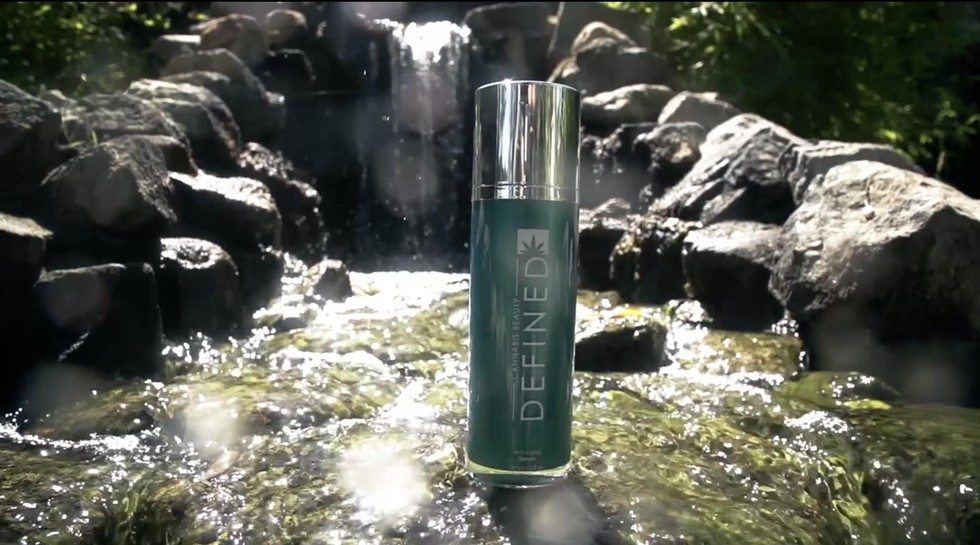
Elle Magazine has lauded hemp oil-infused beauty products for their Vitamin A, C, and E, amino acids, and antioxidant properties, which the mag says "can do wonders" for your skin and hair. While the claims of individual products are debatable, consumers are all over it: hemp's image as a natural, organic ingredient make it appealing for folks looking to branch out from unpronounceable-chemical-laden drugstore brands.

4. Building Materials


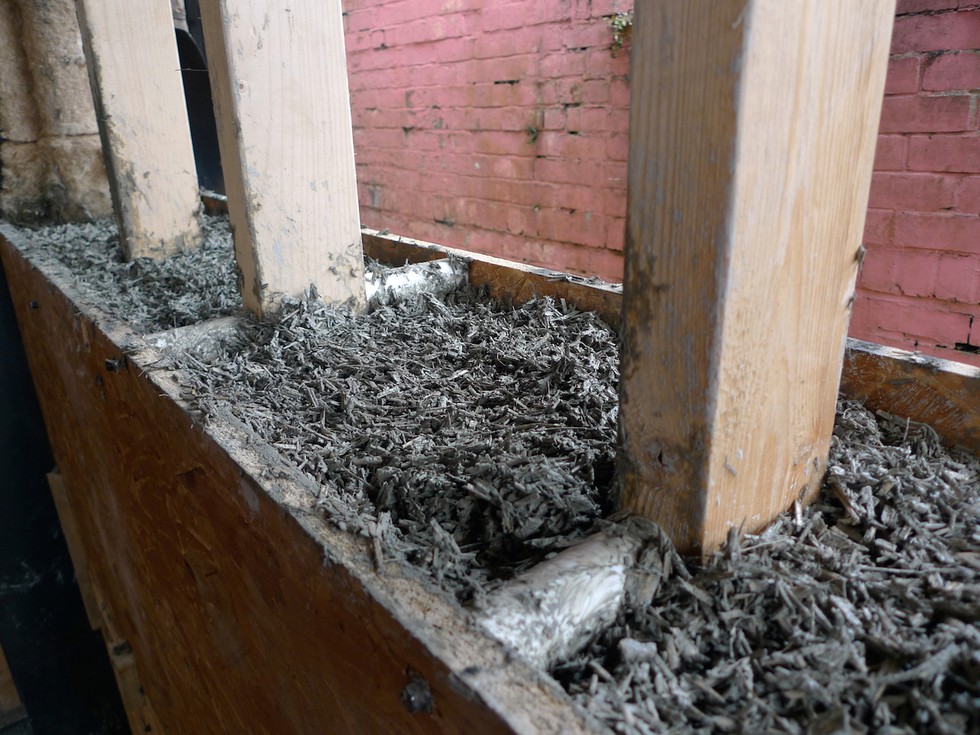
Manufacturers are looking to utilize all parts of the hemp harvest: enter Hempcrete, a mixture of hemp hurds (shives) and lime that's less brittle than concrete, easier to work with than traditional lime mixes, and acts as an insulator and moisture regulator. Ditto: NatuHemp, a hemp insulation which manufacturers describe as ultra-flexible, good for use in confined spaces, and faster to install than conventional insulation.

5. Natural Foods


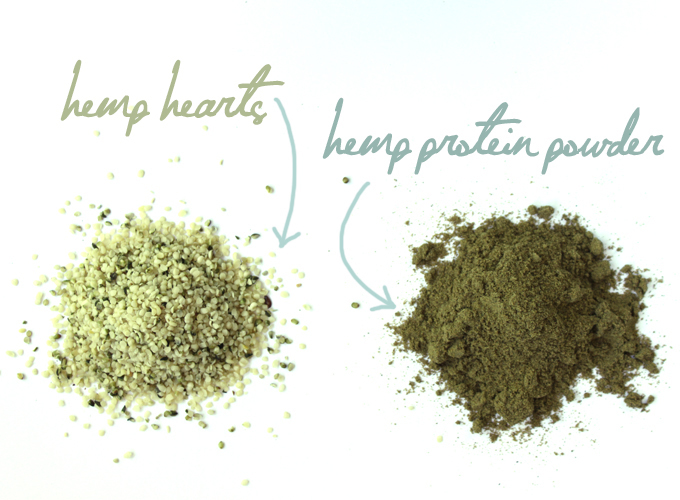
For the past few years, hemp hearts have been a super-trendy ingredient: with a nutty, mild flavour, they contain over 30 percent fat, and are exceptionally rich in "good" fatty acids (omega-6 and omega-3). Twenty-five percent of the calories in hemp seed come from high-quality protein, and they're also supposed to reduce inflammation and help you lose weight. Tons of manufacturers are cashing in on the trend with products ranging from granola bars and cereal to hemp milk and protein powder.


Bernie Sanders VS Federal Marijuana Laws

By Greg Boone
Source: politicallore.com


Leave it to Democratic presidential hopeful Senator Bernie Sanders of Vermont to stir up more controversy by introducing legislation to finally wipe out the federal ban on marijuana. In November, Sanders introduced the Ending Federal Marijuana Prohibition Act and it is still rolling ahead.
This issue is of major importance the to both the US and the world and its ramifications would shake the foundations of society and commerce as well as citizen’s rights. It hasn’t even been a month since the bill was introduced but things are simmering and coming to a boil soon.
At stake here is the status quo of resistance that has gone on for almost 100 years regarding hemp. Once, one of the oldest cash crops in human history, hemp and marijuana were banned in the early part of the 20th century for no other reason than it competed with the wood pulp industry as well as other energy and textile and medicinal industries. The plant is astonishingly versatile and provides products covering a wide spectrum of benefits that no other substance on Earth can do. Applications to fuel, medicine, textiles, are so abundant from this plant and it is easy to maintenance as well as its durability makes it the perfect agricultural product, however, because of this, it makes for cheap costs and no markup that big industries like to cater to.
Sanders knows he’s up against the big oil, pharma, medico industries as well as archaic mindsets of law enforcement and corrections that make fortunes arresting and prosecuting and detaining millions of people for even the slightest infractions regarding cultivation and use of the plant. Even with overwhelming clinical proof that the plant can cure cancers and other illnesses, the conservatives and big business have gone overboard regarding keeping the ban going. It’s obvious due to the money the opposing industries make and upkeep the status quo.
Should the legislation get more sponsors and momentum, the shockwaves will upturn the criminal drug underworld like no other. Smugglers and drug dealers who make untold billions will suddenly find no need for their products or services and marijuana is the largest or one of the largest money makers for the illegal drug trade. Legality of the plant would mean major resources for the criminals would dry up and massive revenues would shift from a few to the bulk of the common people and businesses that would process and produce. That influx of capital would lift the poor and middle class upward which is what the status quo doesn’t want but it is inevitable it will happen.
Law enforcement will then have to focus their efforts on other drugs and crimes freeing up resources and that might not sit well with them as the racket of marijuana arrests, detentions, and prosecutions are bread and butter to them for decades.
Sanders has his work cut out for him and he realizes that each state will decide their own fates, but removing the federal ban is a major step and will put the country back on the right track, correcting the mistake made by the original criminals who blackmailed and threatened lawmakers back in the day that led to economic upheaval and a massive, useless criminal justice system.
Bernie Sanders should be heralded for his efforts. He’s hitting the bad guys where it hurts most and finally the American people have a hero on their side.
What do you think about this new legislation? Do you think it will pass the legislators and get signed into law by President Obama? Add your comments below.
Source: http://countercurrentnews.com/2015/11/bernie-sanders-bill-ban/